
 Facebook
 X
X
 Pinterest
 Copy Link
Elevators and Multigenerational Features Buyers Should Consider
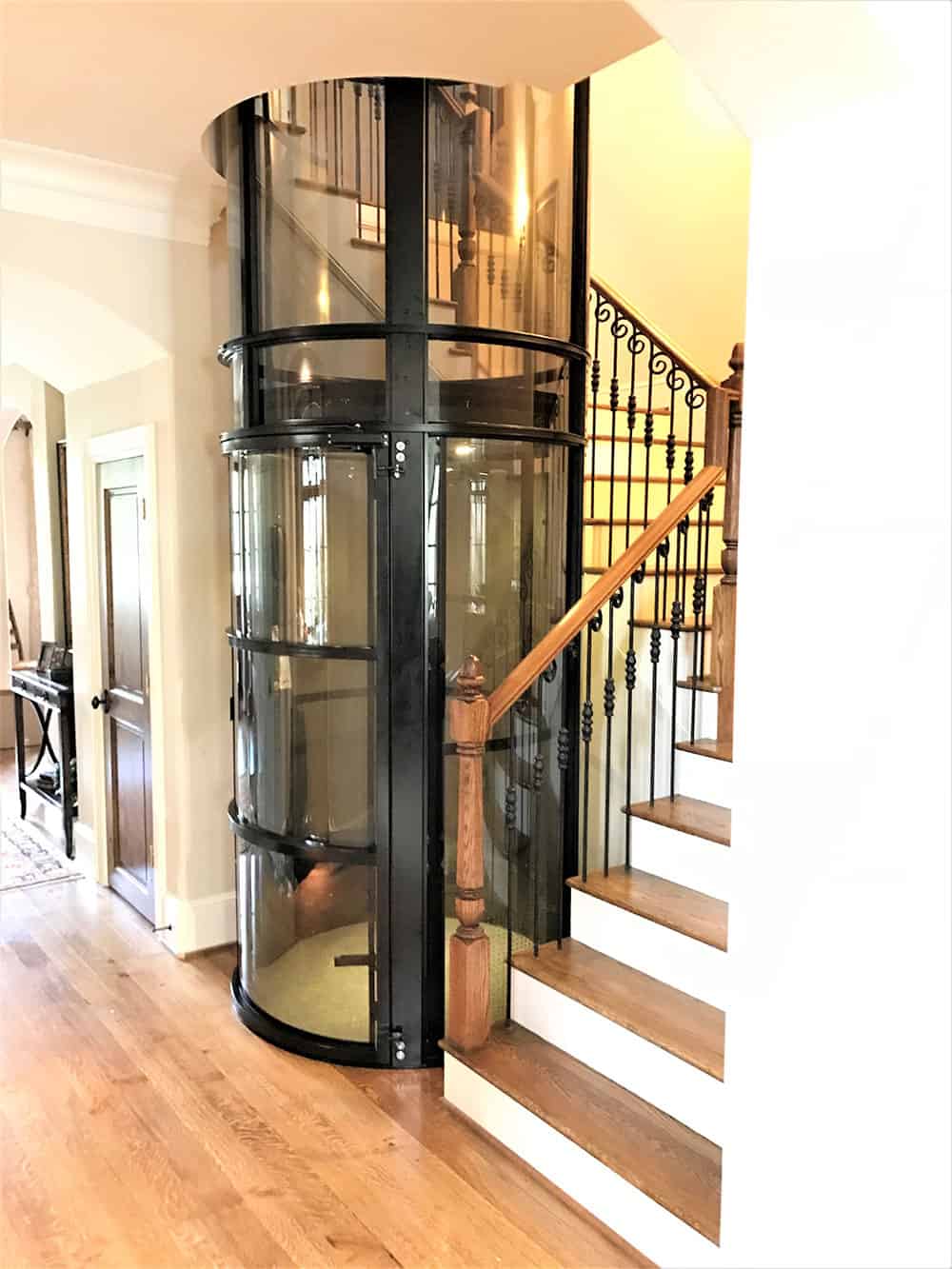
Luxury That Lasts: Elevators and Multigenerational Features Buyers Should Consider
When buyers think about luxury real estate, they often picture spectacular kitchens, resort-style pools, expansive primary suites, wine cellars and beautiful outdoor living spaces.
But today’s definition of luxury is evolving.
For many homeowners, true luxury isn’t simply about how impressive a home looks. It’s about comfort, convenience, privacy, flexibility and the ability for a home to adapt as life changes.
That is particularly important in Westchester County, NY and Fairfield County, CT, where many luxury homeowners are purchasing properties they expect to enjoy for many years, and sometimes for generations.
As a Seniors Real Estate Specialist® (SRES®), I often encourage homeowners to think beyond today’s needs. A home that works beautifully for a family now may need to accommodate aging parents, adult children, changing mobility or multigenerational living in the future.
Two luxury features that increasingly deserve attention are residential elevators and thoughtfully designed multigenerational living spaces.
Residential Elevators: More Than a Luxury Amenity
A private elevator was once considered an extravagant feature reserved for the most prestigious estates.
Today, elevators are increasingly being viewed as a combination of luxury, convenience and long-term functionality.
In a multi-level home, an elevator can make everyday life easier. Carrying groceries from the garage, moving luggage between floors or simply avoiding multiple flights of stairs can be a meaningful convenience.
But the long-term value can be even greater.
As homeowners age, stairs can become a challenge. A home with an elevator can allow residents to continue enjoying multiple levels of their property even if mobility changes.
For someone purchasing a luxury home with the intention of staying for decades, that can be an important consideration.
What Should Buyers Look for in a Home Elevator?
Not every elevator is the same, and buyers should consider:
- Where the elevator is located within the home
- Which floors it services
- Whether it provides access from the garage or lower level
- The size and weight capacity
- Accessibility for mobility devices
- Maintenance requirements
- Backup power considerations
- Local building and safety requirements
- Whether the elevator was professionally installed and properly maintained
For buyers considering a new construction or major renovation, it may also make sense to design the home with a future elevator shaft or dedicated space in mind, even if an elevator isn’t installed immediately.
That type of planning can be much more difficult and expensive to accomplish after a home has already been completed.
First-Floor Living: Luxury With Long-Term Benefits
Another feature I encourage buyers to consider is a first-floor bedroom or primary suite.
At first glance, a main-level bedroom might seem like a simple lifestyle preference. For many luxury buyers, however, it can be an incredibly valuable feature over time.
A first-floor primary suite can provide:
- Easier everyday living
- Greater privacy
- Convenient access to outdoor spaces
- Flexibility for guests
- An alternative to navigating stairs
- More options if mobility needs change
For today’s buyer, it can simply mean convenience.
For tomorrow’s homeowner, it can mean independence.
That is an important distinction when purchasing a home that you hope will serve you for many years.
Multigenerational Living Is Changing Luxury Real Estate
Another trend I am seeing more attention paid to is multigenerational living.
Families today are increasingly looking for homes that can accommodate different generations under one roof while still allowing everyone to maintain some degree of privacy and independence.
In affluent communities throughout Westchester and Fairfield County, that might mean purchasing a larger home specifically because it offers a flexible floor plan.
Features buyers may want to consider include:
A Private Guest or In-Law Suite
A separate bedroom suite with its own bathroom can provide tremendous flexibility.
It may initially function as a guest suite. Later, it could become a comfortable space for an aging parent, an adult child returning home or another family member.
The most desirable configurations may include a private entrance, sitting area, kitchenette or additional living space.
Separate Living Areas
A home doesn’t necessarily need to have a completely separate apartment to support multigenerational living.
Two living rooms, a finished lower level, a private upstairs bedroom suite or a secondary family room can give different generations space to enjoy their own routines.
That privacy can make living together significantly more comfortable.
Multiple Bedrooms on One Level
A home with several bedrooms and a full bathroom on the main level can offer flexibility that isn’t always obvious during a first showing.
Families may not need that configuration today, but circumstances can change.
When evaluating a luxury property, it is worth asking not only:
“Does this home work for us today?”
but also:
“Could this home work for us five, ten or fifteen years from now?”
The SRES® Perspective: Planning for the Home You May Need Later
As an SRES®, I approach real estate with an understanding that housing needs can change dramatically throughout a person’s life.
That doesn’t mean every homeowner should plan their house around aging.
It means buyers should recognize the value of flexibility.
A beautiful home can also be a smart home when its design allows homeowners to adapt without having to move simply because their circumstances have changed.
For older adults, that might mean accessibility.
For families, it could mean accommodating an aging parent.
For younger homeowners, it might mean creating a home where adult children can eventually return.
For everyone, it can mean having options.
And in luxury real estate, options are valuable.
Aging in Place Doesn’t Mean Sacrificing Luxury
There is sometimes a misconception that an “aging-in-place” home needs to look institutional or clinical.
It doesn’t.
Today’s luxury homes can incorporate accessibility and universal design elements in ways that are elegant, discreet and completely consistent with high-end design.
Think:
- Wide, beautiful hallways
- Zero-threshold showers
- Elegant grab bars integrated into the design
- Lever-style door hardware
- Excellent lighting
- Smart-home controls
- First-floor living
- Elevator access
- Comfortable outdoor spaces
- Thoughtfully designed bathrooms
- Easy access between indoor and outdoor living areas
The result can be a home that feels luxurious today and remains functional tomorrow.
What These Features Mean for Resale Value
No single feature guarantees a higher resale price, and buyers should always evaluate a property based on the entire market, location, condition and comparable sales.
However, homes that offer flexibility and thoughtful design can appeal to a broader range of buyers.
An elevator may attract a buyer looking for convenience.
A first-floor bedroom may appeal to someone planning for the future.
A private guest suite may attract a multigenerational family.
A flexible lower level may appeal to someone who wants a home office, gym, guest space or entertainment area.
The beauty is that one feature can serve many different purposes.
Luxury Is About More Than Square Footage
In communities such as Scarsdale, Rye, Purchase, Harrison, Greenwich, Old Greenwich, Darien, New Canaan and other high-value areas of Westchester County and Fairfield County, buyers are often looking for more than a large house with expensive finishes.
They are looking for a property that fits the way they live.
And increasingly, that means thinking about how they may live in the future.
The most thoughtful luxury homes aren’t simply impressive.
They’re adaptable.
They’re comfortable.
They’re private.
They’re designed for real life.
And sometimes, the most valuable luxury feature isn’t the one that makes the biggest impression when you walk through the front door.
It’s the feature that gives you more choices years down the road.
Thinking About Your Next Move?
Whether you’re buying a luxury home, downsizing, helping an aging parent transition, or planning for a multigenerational household, understanding how a home’s design may support your future can be just as important as understanding its current market value.
As a Westchester and Fairfield County real estate professional and Seniors Real Estate Specialist®, I help clients look beyond the immediate transaction and think strategically about the next chapter.
Because a home should do more than meet your needs today.
It should give you the flexibility to live well tomorrow, too.
5 Questions Buyers Should Ask
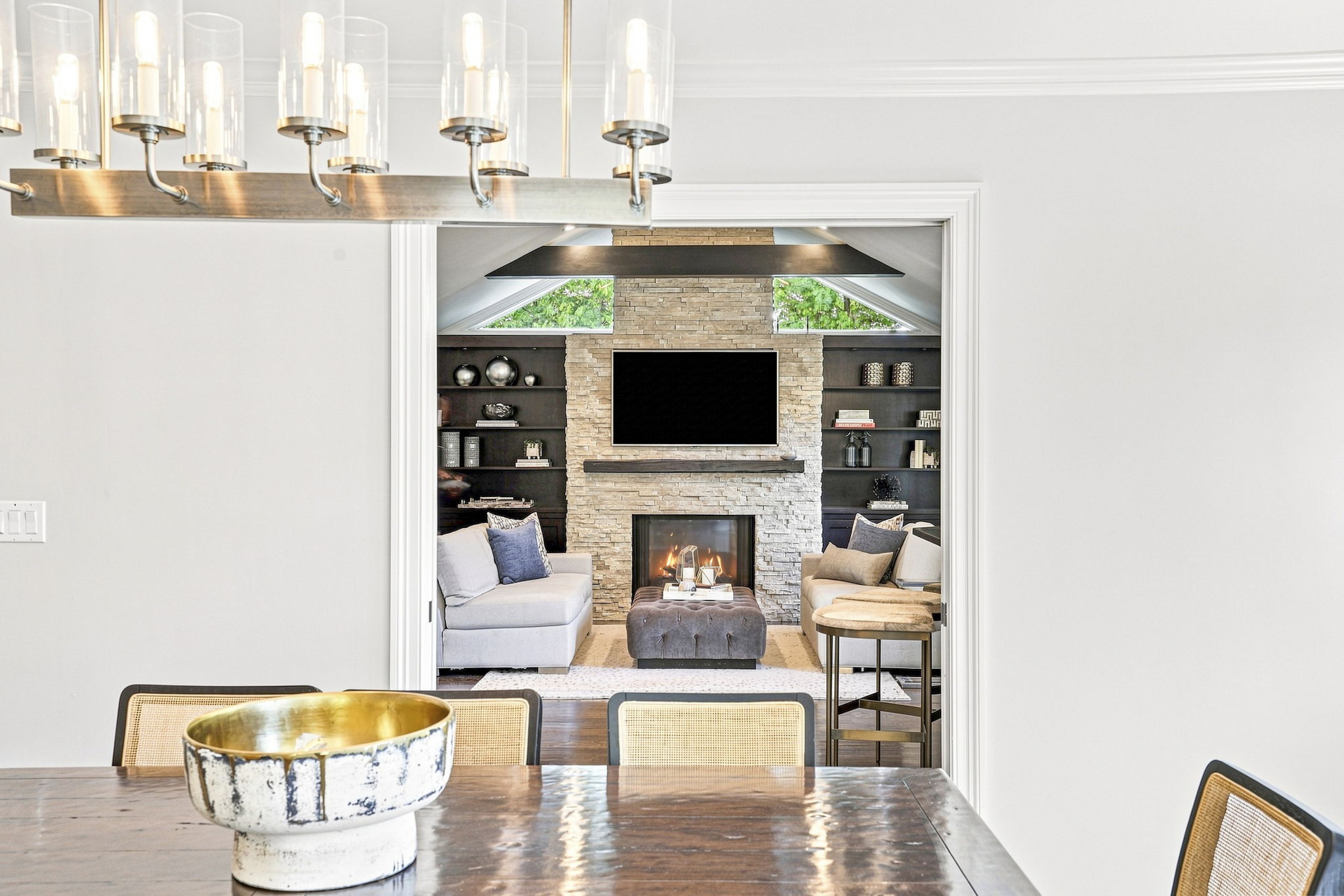
Buying Luxury Real Estate in Westchester and Fairfield County: 5 Questions Buyers Should Ask
Is now a good time to buy a luxury home in Westchester County or Fairfield County? What makes a luxury property difficult to finance? How much does privacy affect value?
These are questions I hear frequently from buyers considering a high-end home in Westchester County, New York, or Fairfield County, Connecticut.
Luxury real estate is different from the conventional housing market. At higher price points, buyers are not simply purchasing square footage. They are purchasing location, privacy, architecture, land, lifestyle, convenience, quality and, in many cases, long-term value.
Whether you’re considering a primary residence in Scarsdale, Rye, Purchase, Harrison, Greenwich, Darien or New Canaan, a private estate in Pound Ridge or North Stamford, or a second home in the Hudson Valley or Connecticut, understanding the nuances of the luxury market is important.
As a Seniors Real Estate Specialist® (SRES®), I also look at these decisions through a longer-term lens. For many affluent buyers, the question isn’t only “Is this the right house today?” It is also “Will this home still work for me five, ten or fifteen years from now?”
Here are five questions luxury buyers should consider.
1. Is Now a Good Time to Buy in This Market?
The short answer is: it can be, depending on the property and your timeframe.
There is no single “Westchester real estate market” or “Fairfield County real estate market.” Conditions can vary dramatically from town to town, neighborhood to neighborhood and even from one property to another.
In Westchester County, home values have continued to rise in 2026. Recent market data shows the county median sale price approaching $1 million, with homes continuing to move relatively quickly and many properties selling above asking price.
Fairfield County tells a similar story at the upper end. Greenwich, Old Greenwich, Darien and New Canaan continue to attract buyers who are willing to pay a premium for exceptional homes, proximity to the coast, train access, privacy, land and lifestyle. In the second quarter of 2026, for example, Old Greenwich averaged more than $1,000 per square foot, while Greenwich averaged approximately $891 per square foot.
At the same time, mortgage rates remain elevated, with the national 30-year fixed mortgage rate recently around the mid-6% range. That has caused some buyers to pause.
For a financially well-qualified luxury buyer, however, today’s market can present opportunities that are less obvious than they were several years ago.
My advice: Don’t try to perfectly time the market. Instead, focus on finding the right property at the right price.
A truly exceptional property in Rye, Scarsdale, Greenwich, Darien or New Canaan may not come on the market again for years. If a home checks the boxes for location, architecture, land, privacy and lifestyle, waiting for mortgage rates to change could mean losing the property entirely.
And remember: you can refinance a mortgage. You cannot refinance a location.
2. What Makes a Luxury Property Difficult to Finance?
Luxury homes are not necessarily difficult to finance, but the financing process can become more complicated as the purchase price increases.
For 2026, the baseline conforming loan limit for a one-unit property is $832,750, although higher limits apply in designated high-cost areas, including portions of New York and Connecticut.
Once you’re financing significantly above conventional loan limits, you’re typically entering jumbo mortgage territory.
This can mean:
- More extensive financial documentation
- Higher reserve requirements
- Greater scrutiny of income and assets
- More complicated underwriting for self-employed buyers
- Additional review of investment accounts and other assets
- Different requirements for second homes
- More scrutiny of the property itself
Luxury buyers may also have financial profiles that don’t fit neatly into traditional underwriting.
For example, an executive may receive substantial compensation through bonuses, restricted stock or equity. A business owner may have significant assets but a complicated income history. An international buyer may have assets and income outside the United States.
This is why I recommend connecting with an experienced jumbo mortgage lender early in the process, before beginning a serious luxury-home search.
For affluent buyers, the goal isn’t simply to determine “How much can I borrow?”
It’s to determine how you want to structure the purchase.
A buyer with substantial liquid assets may choose to finance part of the purchase even when they could pay cash. Another buyer may prefer to preserve liquidity for investments, business opportunities or other real estate.
The right financing strategy should be part of the purchase strategy—not something addressed after you’ve found the house.
3. How Much Does Privacy Affect the Value of a Luxury Home?
A tremendous amount.
Privacy is one of the most difficult luxury amenities to create—and one of the easiest to lose.
In higher-end real estate, buyers often place a premium on:
- Large acreage
- Long private driveways
- Mature landscaping
- Natural buffers
- Gated entrances
- Waterfront privacy
- Limited visibility from neighboring homes
- Quiet surroundings
- Private outdoor entertaining areas
This is particularly important in markets such as Greenwich, New Canaan, Darien, Pound Ridge, Purchase, Bedford, Rye and Scarsdale, where buyers may be willing to pay substantially more for a property that feels secluded while still offering convenient access to Manhattan, major highways, schools, shopping and transportation.
Privacy is also highly personal.
A buyer who values entertaining may want a spectacular outdoor setting with privacy from neighboring properties. Another buyer may prioritize complete seclusion. A family may want acreage and room for a pool, tennis court or guest house.
And there is an important distinction:
A large property is not necessarily a private property.
A 5-acre home with neighboring houses clearly visible from every window may feel less private than a 2-acre property surrounded by mature trees and thoughtfully designed landscaping.
When evaluating luxury real estate, I encourage buyers to look beyond the house itself.
Look at what you can see, hear and experience from the property.
That is part of the value.
4. Which Renovations Actually Matter to Luxury Buyers?
Luxury buyers don’t necessarily want the biggest house or the most expensive renovation.
They want quality.
At the higher end of the market, certain improvements tend to matter more than others.
Renovations that can make a meaningful difference include:
A high-quality kitchen
Luxury buyers often expect professional-grade appliances, custom or semi-custom cabinetry, substantial countertops, excellent lighting and a well-designed layout.
Updated bathrooms
Spa-like primary bathrooms, high-quality fixtures, heated floors and thoughtful storage can make a strong impression.
Outdoor living
Pools, terraces, patios, outdoor kitchens, fireplaces and beautifully designed landscaping can significantly enhance the lifestyle value of a property.
Energy efficiency and mechanical systems
Modern heating and cooling systems, updated electrical, backup generators, energy-efficient windows and well-maintained roofs may not be as glamorous as a new kitchen—but they can be extremely important to today’s buyers.
Smart-home technology
Whole-home audio, integrated lighting, security systems, automated shades, climate control and sophisticated home networks can appeal to luxury buyers.
Flexible living space
This is an area I pay particular attention to as an SRES®.
A beautiful home should also be able to adapt.
A first-floor bedroom, elevator-ready design, accessible bathroom, home office, guest suite or easily navigable floor plan can become increasingly valuable as homeowners age.
For affluent buyers planning to remain in a home for many years, universal design and aging-in-place features can be a luxury, not a limitation.
The best renovations are those that improve both lifestyle today and flexibility tomorrow.
5. What Should I Know Before Buying a Second Home?
Buying a second home is very different from buying a primary residence.
The first question should not be:
“Can I afford it?”
It should be:
“How will I actually use it?”
Will it be a weekend home? A summer residence? A place for family gatherings? A future retirement property? An investment? Or eventually a primary residence?
Those answers can dramatically change what makes sense.
For example, a buyer living in Scarsdale, Rye or Greenwich may want a weekend property within an easy driving distance rather than something requiring a flight.
And for someone thinking about retirement or eventually leaving a larger primary residence, a second home can become part of a long-term lifestyle and real estate strategy.
Before purchasing, consider:
- Property taxes
- Insurance costs
- Maintenance and landscaping
- Heating and cooling expenses
- Snow removal
- Pool maintenance
- Security
- Property management
- Travel time
- Local zoning restrictions
- Rental restrictions, if applicable
- Financing requirements
- Future resale appeal
I also recommend thinking carefully about the property’s “10-year test.”
If you eventually decide you want to spend more time there, or move there permanently, will the property still work?
This is particularly important for buyers who are approaching retirement or helping an older parent transition from one home to another.
A beautiful second home that becomes physically difficult to navigate, expensive to maintain or inconvenient to reach may not be the lifestyle investment you originally envisioned.
What Should International Buyers Expect When Purchasing Luxury Real Estate?
International buyers are an important part of the luxury real estate market, particularly in communities with strong connections to New York City, finance, technology, education and international business.
Westchester and Fairfield County can be particularly attractive because they offer a combination of proximity to Manhattan, highly regarded communities, privacy, larger properties and an exceptional suburban lifestyle.
But international buyers should expect the purchasing process to be different from buying property in their home country.
Before beginning the search, I recommend assembling a team that understands international transactions, including:
- A real estate professional experienced with international buyers
- A U.S. lender familiar with foreign nationals, if financing is needed
- A real estate attorney
- A tax professional
- Potentially an estate-planning attorney
- An insurance professional
Buyers should also understand the implications of currency exchange, U.S. tax obligations, ownership structures, estate planning and future resale.
One important consideration is FIRPTA, the Foreign Investment in Real Property Tax Act. FIRPTA can require withholding when a foreign person sells U.S. real property, so international buyers should understand the implications before purchasing. Not only when they eventually sell.
The structure of ownership can also matter significantly for high-net-worth international buyers.
This is an area where your real estate professional should coordinate closely with qualified legal and tax advisors rather than attempting to provide tax or legal advice.
Luxury Real Estate Is About More Than the House
The most important thing I tell luxury buyers is that the most expensive house isn’t necessarily the best investment or the best lifestyle choice.
A $3 million home in one community may offer a completely different value proposition than a $3 million home somewhere else.
The same is true at $5 million, $10 million or beyond.
At this level, buyers are evaluating much more than bedrooms and bathrooms.
They’re considering:
Location. Privacy. Land. Architecture. Lifestyle. Schools. Transportation. Taxes. Maintenance. Resale potential. Future flexibility.
And for many buyers, there is another question that deserves attention:
“Will this home work for the next chapter of my life?”
That question is particularly important for older adults, empty nesters and families helping parents make a move.
A luxury home should not only be beautiful today. It should support the lifestyle you want tomorrow.
Whether you’re considering a luxury home in Scarsdale, Rye, Purchase, Harrison, Greenwich, Old Greenwich, Darien, New Canaan, Westport or another premier Westchester or Fairfield County community, having an experienced real estate advisor who understands both the market and the bigger picture can make a significant difference.
The right home isn’t simply the one you can afford. It’s the one that makes sense for your life, your goals and your future.
Thinking About Buying Luxury Real Estate in Westchester or Fairfield County?
If you’re considering a primary residence, second home, downsizing move, multigenerational purchase or future retirement property, I can help you evaluate not just the home, but the long-term lifestyle and real estate strategy behind the purchase.
Jennifer Martire Baukol, MBA, SRES®
Coldwell Banker Realty | Global Luxury
Westchester County, NY & Fairfield County, CT
Jennifer.Baukol@cbrealty.com
(914) 584-2211 Cell
Real estate decisions should be made in consultation with qualified legal, tax, financial and lending professionals where appropriate. Market conditions and financing requirements can change.
“Westchester County luxury real estate,” “Fairfield County luxury real estate,” “luxury homes in Greenwich,” “luxury homes in Scarsdale,” “luxury real estate in Rye,” “New Canaan real estate,” “Darien luxury homes,” “buying a second home,” “jumbo mortgage,” “international buyers” and “Senior Real Estate Specialist”
ELEGANT LIVING MEETS EFFORTLESS ENTERTAINING

An exceptional 4-bedroom, 4-bath home offering 3,787+/- square feet of beautifully designed living space, versatile indoor-outdoor entertaining areas, and a thoughtfully finished Terrace Level.
Welcome to this beautiful single-family home in White Plains offering approximately 3,787 square feet of thoughtfully designed living space in a desirable White Plains setting. Designed with both everyday living and entertaining in mind, this exceptional home features high-end finishes, generous room sizes, abundant storage, and seamless indoor-outdoor living.
The main level offers an inviting living room with fireplace, spacious family room with a second fireplace, and an elegant formal dining room—creating wonderful spaces for both intimate gatherings and larger entertaining. The stunning kitchen is truly the heart of the home, featuring high-end finishes, a large oversized center island, and a bright eat-in kitchen area. Sliding doors provide access to the deck, extending the living and entertaining space outdoors.
The expansive primary suite offers a luxurious retreat with large walk-in dual closets and a well-appointed en-suite bath. Additional bedrooms and full baths provide flexibility and comfort.
The Terrace Level adds valuable living space with a bonus bedroom, full bath, and walk-out access to the patio, offering tremendous versatility for guests, extended family, a home office, recreation, or additional living needs. The full basement also provides abundant storage.
Additional highlights include hardwood floors, central air conditioning, two fireplaces, a two-car garage, ample storage throughout, and beautifully maintained outdoor spaces. With its generous layout, exceptional kitchen, multiple living areas, and flexible Terrace Level, This home offers a combination of comfort, style, and functionality for modern living and entertaining.
Email or Call me for details – Jennifer.Baukol@cbrealty.com – (914) 584-2211
9 Mistakes That Can Keep Your Home From Selling Quickly
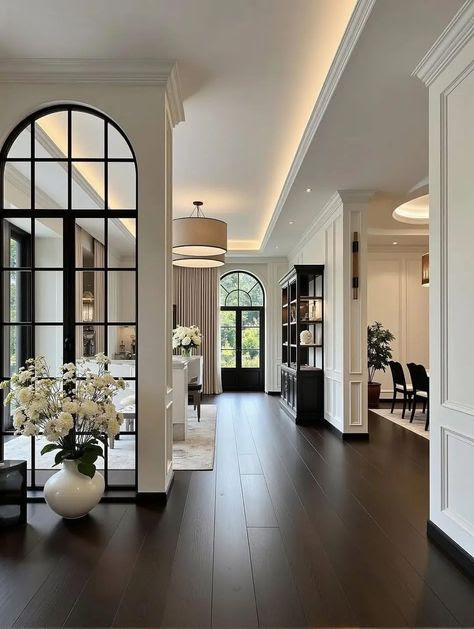
9 Mistakes That Can Keep Your Westchester County Home From Selling Quickly
Thinking about selling your home in Westchester County or Fairfield County? Avoid these 9 common mistakes before putting your house on the market.
Selling a home is about much more than putting a sign in the yard and waiting for a buyer.
In today’s real estate market, buyers are doing more research than ever. They are comparing homes online, studying recent sales, looking closely at photos, and paying attention to how long a property has been on the market.
That means the decisions you make before your home is listed can have a significant impact on how quickly it sells and ultimately, how much you walk away with.
This is especially important in Westchester County, NY and Fairfield County, CT, where every community and neighborhood can behave differently. A home in Scarsdale may have a very different buyer pool than a home in White Plains. A property in Rye may require a different strategy than one in Harrison, New Rochelle, Greenwich, Stamford, Darien, or Cos Cob.
Here are nine of the most common mistakes I see homeowners make when preparing to sell.
1. Overpricing Your Home Because You “Need” a Certain Number
This is one of the biggest mistakes a home seller can make.
Your home’s value isn’t determined by what you paid for it, what you spent renovating it, what your neighbor’s house sold for three years ago, or how much money you need for your next home.
The market ultimately determines the value.
A strategic listing price should take into consideration recent comparable sales, current competition, location, condition, updates, buyer demand, and the unique characteristics of your property.
In Westchester County, where prices can vary dramatically from one town, or even one neighborhood, to another, a broad “price per square foot” calculation isn’t enough.
Overpricing can cause your home to sit on the market while newer listings attract the attention you were hoping to receive. Once a listing accumulates too many days on market, buyers may begin to wonder whether something is wrong with the property.
The goal isn’t simply to list at the highest possible price. The goal is to position your home to attract the strongest buyer interest.
2. Waiting Until the Last Minute to Prepare Your Home
One of the biggest misconceptions sellers have is that preparation starts when the listing goes live.
It doesn’t.
The best time to prepare your home for sale is weeks or, in some cases, months before you plan to list.
That may include:
- Decluttering
- Painting
- Making necessary repairs
- Updating lighting
- Improving curb appeal
- Removing excess furniture
- Organizing closets
- Cleaning windows
- Addressing deferred maintenance
- Determining whether staging is appropriate
- Planning professional photography
This is particularly important when selling a home you’ve lived in for many years.
If you’re downsizing or helping an older parent sell a longtime family home, the process can take considerably longer because you’re not simply preparing a property, you are often sorting through decades of belongings and memories.
Starting early can make the entire process less stressful.
3. Assuming Buyers Will “Look Past” Clutter
You may be able to see past your furniture, personal belongings and crowded closets because you know the house so well.
A buyer doesn’t.
Buyers need to be able to visualize themselves living in the home.
That can be difficult when every room is filled with furniture, family photographs, collections, paperwork, or personal possessions.
Decluttering doesn’t mean making your home feel empty. It means creating space, light, flow and possibility.
Think of the goal as creating the feeling of a beautiful hotel room: comfortable, polished and inviting, but neutral enough that someone else can imagine making it their own.
4. Skipping Staging or Thinking Staging Is Only for Vacant Homes
Staging is not necessarily about bringing in an entirely new set of furniture.
Sometimes the most effective staging involves editing what is already there.
Furniture may need to be rearranged. Artwork may need to be removed. Rooms may need to be repurposed. Closets may need to be reduced. A basement may need to be organized so buyers can see its potential.
For vacant properties, professional staging can be especially valuable because an empty room can sometimes feel smaller than it actually is.
For occupied homes, the objective is often to create a clean, comfortable and visually appealing environment while still allowing the home to feel lived in.
5. Using Poor Photography
Your home gets one first impression online.
Before buyers schedule a showing, they are likely to see photographs of the property on sites such as Zillow, Realtor.com, brokerage websites and social media.
Dark photographs, cluttered rooms, closed blinds, poor angles or outdated images can cause buyers to scroll right past your listing.
Professional real estate photography should showcase:
- Natural light
- Room size and flow
- Architectural details
- Outdoor spaces
- Updated kitchens and bathrooms
- Views
- Unique features
- Curb appeal
In a competitive market, great photography isn’t a luxury. It is part of your marketing strategy.
6. Spending Money on the Wrong Improvements
Not every renovation will give you a return on your investment.
One of the most important questions to ask before selling is:
“What should I do, and what should I leave alone?”
You don’t necessarily need to remodel your entire kitchen or renovate every bathroom before listing.
Sometimes a fresh coat of paint, updated light fixtures, professional cleaning and improved landscaping can make a greater difference than an expensive renovation.
A good pre-listing strategy should distinguish between:
Must do: Repairs or improvements that could negatively affect the sale.
Nice to do: Updates that improve the home’s appeal.
Don’t do: Expensive projects that may not provide a meaningful return.
The right answer depends on the property, price range and buyer pool.
7. Ignoring Curb Appeal
Buyers begin forming an opinion before they ever walk through your front door.
That makes the exterior of your home incredibly important.
Look at your property as if you were seeing it for the first time.
Are the bushes overgrown?
Does the front door need paint?
Is the walkway clean?
Are there too many plants blocking the windows?
Does the landscaping make the house look smaller?
Sometimes relatively simple improvements. Trimming landscaping, power washing, refreshing mulch, replacing a tired doormat or adding seasonal flowers, can all dramatically improve a home’s first impression.
8. Making It Difficult for Buyers to See the Home
Even the best-priced, best-prepared home won’t sell if buyers can’t easily see it.
Of course, showings can be disruptive, particularly when you are still living in the house.
But restricting showing times too much can mean missing serious buyers.
Today’s buyers may be coordinating work schedules, children, commuting and other commitments. If your home is only available during a narrow window, they may move on to another property.
The more reasonable and accessible the showing process can be, the better.
9. Choosing a Real Estate Agent Based Only on Who Suggests the Highest Listing Price
This is a mistake I see sellers make repeatedly.
If one agent tells you your home is worth $1.2 million and another says $1.4 million, it’s tempting to choose the agent with the higher number.
But a listing price is not a promise.
Ask instead:
“What is your strategy for getting this home sold?”
A strong listing strategy should include more than a comparative market analysis.
It should address:
- Pricing strategy
- Pre-listing preparation
- Repairs
- Staging
- Professional photography
- Online marketing
- Social media exposure
- Open houses and private showings
- Negotiation strategy
- Communication
- Timing
- The likely buyer profile
- What happens if the initial strategy isn’t producing the desired results
And if you’re selling a longtime family home, downsizing, moving an older parent, or trying to coordinate a sale with a move to assisted living or another housing option, experience matters even more.
What About Selling a Home in Westchester County in 2026?
Westchester remains a market where sellers can benefit from strong buyer demand, but that doesn’t mean every home automatically sells quickly or for top dollar.
Recent market data shows continued price strength in Westchester County, while well-positioned homes can move relatively quickly. The important takeaway is that buyers are still paying attention to value and presentation.
In other words, you don’t want to simply put your home on the market and hope the market does the work for you.
Preparation + pricing + presentation + marketing + negotiation = a successful sale.
Selling a Longtime Family Home Is About More Than Real Estate
For many of my clients, selling a home isn’t simply a financial transaction.
It may be the home where their children grew up.
It may be their parents’ home.
It may be a property they’ve owned for 30, 40 or even 50 years.
Sometimes the decision to sell happens because a parent can no longer safely live independently. Sometimes the family is considering home care versus assisted living. Other times, the homeowner is ready to downsize but doesn’t know where to begin.
These situations require a different level of guidance.
As a Seniors Real Estate Specialist® (SRES®), I work with homeowners and families navigating these transitions. My background in real estate, mortgage and senior care allows me to look at the sale from more than just a real estate perspective.
Sometimes the first step isn’t listing the house.
Sometimes the first step is figuring out what comes next.
Thinking About Selling Your Westchester or Fairfield County Home?
If you’re considering selling a home in Westchester County, NY or Fairfield County, CT, I’d be happy to help you understand what your home may be worth and what should, and shouldn’t, be done before putting it on the market.
Whether you’re selling a longtime family home, downsizing, right-sizing, relocating, helping an older parent move, or simply wondering whether now is the right time to sell, having a plan before you list can make all the difference.
The best time to start preparing for a sale isn’t necessarily when you’re ready to put the house on the market. It’s when you’re first thinking about selling.
Frequently Asked Questions About Selling a Home in Westchester County
How can I sell my house quickly in Westchester County?
The most important factors are strategic pricing, strong presentation, professional photography, effective marketing and making the property accessible to qualified buyers. Preparing the home before listing can also help create stronger interest when it first comes to market.
Should I renovate my house before selling in Westchester County?
Not necessarily. Some repairs and cosmetic improvements can make a significant difference, while expensive renovations may not provide a worthwhile return. A pre-listing evaluation can help determine where your money is best spent.
How do I know what my Westchester home is worth?
A professional comparative market analysis should consider recent comparable sales, current competition, location, condition, updates, property characteristics and current buyer demand. Your home’s value should be based on the market—not simply on what you hope to receive.
Should I stage my home before selling?
Staging can help buyers understand the size, function and potential of a home. It doesn’t always mean completely furnishing the property. Sometimes professional staging involves editing furniture, rearranging rooms and creating a more neutral presentation.
What if I’m helping my parents sell their home?
Selling a parent’s home can involve much more than real estate. Families may also be considering downsizing, home care, assisted living, estate planning, moving logistics and what to do with decades of belongings. Working with a professional who understands these issues can make the process much easier.
When should I contact a Realtor® if I am thinking about selling?
Ideally, before you’re ready to list. Talking with a real estate professional early gives you time to understand your home’s value, identify repairs or improvements, develop a timeline and make informed decisions without feeling rushed.
About Jennifer Baukol, SRES®
Jennifer Martire Baukol is a Seniors Real Estate Specialist® (SRES®) with Coldwell Banker Realty, serving homeowners and families throughout Westchester County, NY and Fairfield County, CT.
With nearly two decades of experience across real estate, mortgage and senior care, Jennifer brings a unique perspective to homeowners who are downsizing, right-sizing, relocating, aging in place or helping an older parent transition to a new living situation.
She works with clients throughout communities including White Plains, Scarsdale, Rye, Harrison, New Rochelle, Greenwich, Stamford, Darien and surrounding Westchester and Fairfield County communities.
If you’re thinking about selling your home, or simply don’t know where to start. Jennifer can help you create a plan.
You don’t have to have all the answers before you reach out. That’s what the planning process is for.
sell my house Westchester County NY, selling a home in Westchester County NY, Westchester County real estate agent, best Realtor® in Westchester County NY, how to sell a house in Westchester County, how to sell my home quickly, home selling mistakes, mistakes to avoid when selling a home, how to prepare your home for sale, how to sell a home for top dollar
how to prepare a house for sale in Westchester County, how to sell a longtime family home, selling a parent’s home in Westchester County, selling an elderly parent’s home, downsizing in Westchester County NY, right-sizing in Westchester County, selling a home when moving to assisted living, selling a home before moving to assisted living, home care versus assisted living Westchester County, selling a house after parents move, preparing a home for sale after decades of ownership, senior real estate specialist Westchester County, SRES Realtor Westchester County NY, Realtor for downsizing Westchester County, real estate agent for older adults Westchester County, selling a home in Scarsdale NY, selling a home in White Plains NY, selling a home in Rye NY, selling a home in Harrison NY, selling a home in New Rochelle NY, selling a home in Greenwich CT, selling a home in Stamford CT, selling a home in Darien CT
Valspar’s prediction of 2027 Color of the Year!

Before It Was Trending: Why I’ve Loved Warm Eucalyptus Since 2004
Sometimes the colors we love long before they become “trendy” are the ones that truly feel like home.
I had to smile when I saw Valspar’s 2027 Color of the Year: Warm Eucalyptus.
Why?
Because I painted my entire bedroom that color family way back in 2004.
At the time, I wasn’t following a design trend or thinking about what would eventually become a “Color of the Year.” I simply knew that I wanted my bedroom to feel calm, peaceful and restorative.
I wanted it to be a place where I could close the door at the end of the day, take a deep breath and relax.
Apparently, I was onto something.
Valspar describes Warm Eucalyptus as a grounded, restorative green inspired by nature and vintage design. The company says the color reflects our growing desire for homes that provide a sense of calm, comfort and renewal.
And honestly? I completely get it.
Why Green Feels So Good at Home
There is something inherently comforting about bringing nature into our living spaces.
Soft greens can feel peaceful without being boring. They can add personality without overwhelming a room. And unlike some trendy colors that can quickly feel dated, earthy greens have a timeless quality.
That is especially important to me because I believe our homes should do more than look beautiful.
Our homes should support how we want to live.
We spend so much of our lives at home. It should be a place where we can recharge, connect with the people we love and feel comfortable being ourselves.
That becomes even more important as our lives and priorities change.
A Bedroom Should Feel Like a Retreat
Looking back, I think that is what I was really trying to create in 2004.
I wasn’t trying to make my bedroom “on trend.”
I was creating a retreat.
I wanted a soothing environment that encouraged relaxation rather than stimulation. Warm Eucalyptus has that quality. It is soft and grounded, with enough color to make the room feel intentional while still being incredibly livable.
And I love that this philosophy has come back around.
Valspar specifically describes Warm Eucalyptus as a color connected to mindful living—slowing down, appreciating small moments and creating restorative spaces.
Maybe our homes don’t need to be louder. Maybe they need to be calmer.
And Now…Meet Valspar’s 2027 Color of the Year
Just when I was enjoying my moment of vindication over Warm Eucalyptus, Valspar announced its 2027 Color of the Year: Cottage Door.
Cottage Door is a muted blue-gray with warm undertones, designed to create a feeling of comfort, grounding and welcome. Valspar describes it as a color that reflects a desire for security, trust and authenticity.
And I have to say—I see the connection.
Warm Eucalyptus and Cottage Door are different colors, but they share a similar philosophy: creating homes that feel good to live in.
The focus isn’t simply on what photographs well or what is fashionable this year.
It’s about creating spaces that feel personal, comfortable and timeless.
My Take as a Real Estate Professional
When I’m helping homeowners prepare a property for sale, we obviously have to think about the market and what will appeal to today’s buyers.
But when you’re living in your home, I think there is room for something more personal.
Your home should reflect you.
Maybe that’s a beautiful earthy green bedroom. Maybe it’s a soft blue-gray office. Maybe it’s a favorite color you’ve loved for 20 years.
And when the time eventually comes to sell, we can always talk about how to transition your home from your personal sanctuary to a space that allows potential buyers to envision themselves living there.
That’s part of what I love about real estate: a home is both an investment and a place where your life happens.
So, What Do You Think?
I’m curious…
Would you paint a room in Warm Eucalyptus?
Or are you more drawn to Valspar’s 2027 color, Cottage Door?
And perhaps the more important question:
What color makes YOUR home feel like a place where you can truly relax?
I’d love to hear your thoughts.
After all, trends come and go—but the colors that make us feel at home are personal.
And sometimes, apparently, we’re ahead of the trend without even knowing it.
— Jennifer Martire Baukol, SRES®
Coldwell Banker Realty
Westchester County, NY & Fairfield County, CT
Sources: Valspar Color of the Year information and Better Homes & Gardens’ coverage of the 2027 announcement.
Thinking About Selling or Downsizing?
I’m Jennifer Baukol, a Senior Real Estate Specialist with nearly 20 years of experience helping families throughout Westchester County, NY and Lower Fairfield County, CT.
I specialize in:
- Senior transitions
- Downsizing and rightsizing
- Estate and probate situations
- Relocation
- Connecting families with trusted senior resources
- Maximizing home value with compassion and care
If you’re considering selling, or simply want to understand your options, I’d be happy to have a no-pressure conversation.
You don’t have to navigate this process alone.
As your local SRES® (Seniors Real Estate Specialist), I’m here to guide you every step of the way.
Whether it’s planning, selling your home, or finding your next perfect space, I’m ready to help.
Let’s simplify your move together!
Jennifer Martire Baukol for all your real estate needs.
“I am committed to providing the most personable, elite and professional customer service.
My promise to you is to
(1) put your interests first,
(2) help you reach your goals quickly,
(3) treat you as she would like to be treated,
(4) focus on the solution not problems, and
(5) provide you with the highest level of attention and feedback.
Whether you need extra room for a home office or nursery, or a smaller home that requires less upkeep and cost, I’ll bring you to the place that’s tailor-made just for you.
Servicing Westchester County, New York & Fairfield County, Connecticut.
Contact me today to get started. (914) 584-2211.”
White Plains Local Real Estate. Scarsdale Real Estate. New Rochelle Real Estate. Rye Real Estate. Rye Brook Real Estate. Larchmont Real Estate. Harrison Real Estate. Purchase Real Estate. Edgemont Real Estate. Tarrytown Real Estate. Armonk Real Estate. Greenwich Real Estate. Old Greenwich Real Estate. Stamford Real Estate. Darien Real Estate. Local Realtor. Get Organized. Selling Home. Westchester County, New York. Fairfield County, Connecticut. Selling your home. Downsizing.
5 Kitchen Decorating Rules Designers Always Follow for a Beautiful, Balanced Space
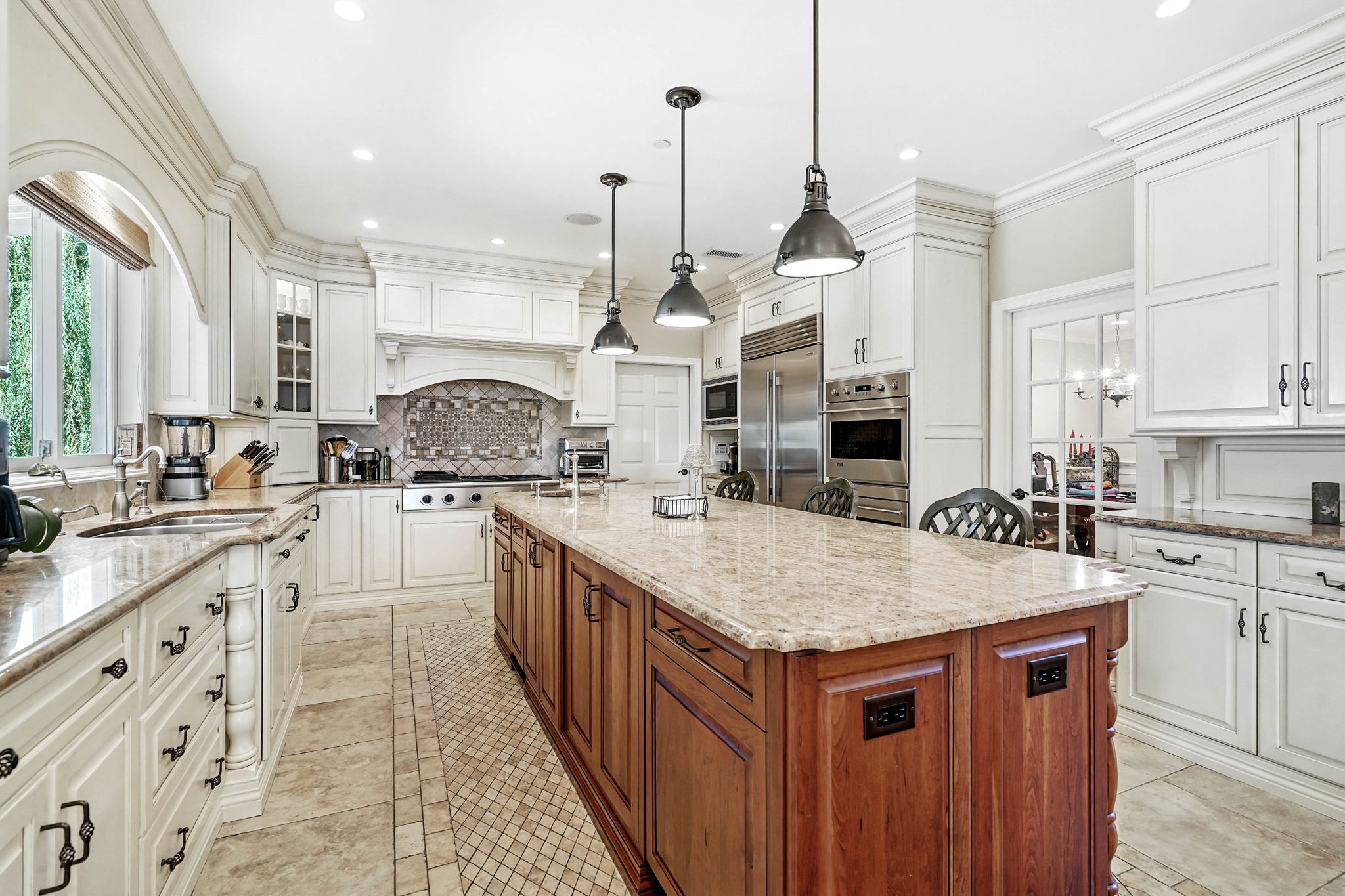
Some say your Kitchen is the heart of the home!
The kitchen has become much more than a place to prepare meals. It is where families gather, friends connect, homework gets done, and memories are created. Because of that, today’s homeowners want kitchens that are not only functional but also beautiful, welcoming, and timeless.
Whether you are renovating your kitchen, preparing your home for sale, or simply refreshing your space, professional designers often follow a few key principles to create a kitchen that feels balanced and intentional.
Here are 5 kitchen decorating rules designers always follow for a beautiful, balanced space.
1. Create a Focal Point
Every beautiful kitchen needs a feature that naturally draws the eye. Designers know that a room feels more polished when there is a clear focal point instead of competing elements everywhere.
Your focal point might be:
- A stunning kitchen island
- A statement backsplash
- A beautiful range hood
- Custom cabinetry
- Unique lighting fixtures
- A piece of artwork or décor
The goal is not to make every area stand out. A well-designed kitchen allows certain elements to shine while the rest of the space supports them.
If you are selling your home, a strong focal point can also help potential buyers immediately connect emotionally with the space.
2. Mix Materials and Textures
One of the secrets to a designer-quality kitchen is layering different textures and finishes. A kitchen filled with only one material or color can feel flat, while a thoughtful combination creates warmth and personality.
Designers often mix:
- Wood with stone
- Matte finishes with polished surfaces
- Metal accents with natural textures
- Smooth countertops with textured backsplashes
- Glass, ceramics, and greenery
For example, a kitchen with white cabinets can feel much more inviting when paired with warm wood accents, textured bar stools, natural stone, or decorative accessories.
The key is balance. Too many different finishes can feel chaotic, while too few can feel sterile.
3. Follow the Rule of Three
Designers frequently use the “rule of three” when styling kitchens because groupings of three are naturally pleasing to the eye.
Instead of placing one decorative item on a counter, consider creating a small arrangement:
- A vase with greenery
- A stack of cookbooks
- A decorative bowl
Or style an island with three complementary pieces of varying heights.
The same principle applies to colors, textures, and accessories. Repeating elements in groups of three creates visual harmony without making the room feel overly decorated.
4. Keep Countertops Functional and Clutter-Free
A beautiful kitchen is not just about what you add to it. It is also about what you remove.
Designers understand that clean, open countertops make a kitchen feel larger, brighter, and more luxurious. While a few carefully selected accessories add personality, too many appliances, containers, and miscellaneous items can distract from the design.
Consider keeping only the essentials visible:
- A beautiful coffee maker or espresso machine
- A decorative cutting board
- Fresh flowers or plants
- A stylish bowl for fruit
Everything else should have a designated place.
This is especially important if you are preparing your home for the market. Buyers want to envision themselves living in the space, and a clutter-free kitchen allows them to focus on the home’s features.
5. Make Lighting a Design Priority
Great kitchens are not just about cabinets and countertops. They are also about lighting can completely transform the feel of the space.
Designers typically layer lighting by combining:
Ambient lighting: General overhead lighting that illuminates the room.
Task lighting: Focused lighting over work areas such as countertops, sinks, and islands.
Accent lighting: Decorative lighting that highlights architectural features, artwork, or cabinetry.
Pendant lights over an island, under-cabinet lighting, and stylish fixtures can add both beauty and function.
A well-lit kitchen feels larger, more inviting, and more high-end.
Final Thoughts: A Beautiful Kitchen Should Feel Like Home
The best kitchens are not necessarily the biggest or most expensive one. They are the ones that feel thoughtfully designed. By creating a focal point, mixing textures, using balanced décor, reducing clutter, and prioritizing lighting, you can create a space that feels both stylish and comfortable.
For homeowners thinking about selling, the kitchen remains one of the most important rooms in the house. Small updates and thoughtful styling can make a significant impact on how buyers perceive the value and appeal of your home.
Whether you are staying for years to come or preparing for your next move, a beautifully balanced kitchen is an investment in both your home and your lifestyle.
Thinking About a new kitchen or downsizing?
I’m Jennifer Baukol, a Senior Real Estate Specialist with nearly 20 years of experience helping families throughout Westchester County, NY and Lower Fairfield County, CT.
I specialize in:
- Senior transitions
- Downsizing and rightsizing
- Estate and probate situations
- Relocation
- Connecting families with trusted senior resources
- Maximizing home value with compassion and care
If you’re considering selling, or simply want to understand your options, I’d be happy to have a no-pressure conversation.
You don’t have to navigate this process alone.
As your local SRES® (Seniors Real Estate Specialist), I’m here to guide you every step of the way.
Whether it’s planning, selling your home, or finding your next perfect space, I’m ready to help.
Let’s simplify your move together!
Jennifer Martire Baukol for all your real estate needs.
“I am committed to providing the most personable, elite and professional customer service.
My promise to you is to
(1) put your interests first,
(2) help you reach your goals quickly,
(3) treat you as she would like to be treated,
(4) focus on the solution not problems, and
(5) provide you with the highest level of attention and feedback.
Whether you need extra room for a home office or nursery, or a smaller home that requires less upkeep and cost, I’ll bring you to the place that’s tailor-made just for you.
Servicing Westchester County, New York & Fairfield County, Connecticut.
Contact me today to get started. (914) 584-2211.”
White Plains Local Real Estate. Scarsdale Real Estate. New Rochelle Real Estate. Rye Real Estate. Rye Brook Real Estate. Larchmont Real Estate. Harrison Real Estate. Purchase Real Estate. Edgemont Real Estate. Tarrytown Real Estate. Armonk Real Estate. Greenwich Real Estate. Old Greenwich Real Estate. Stamford Real Estate. Darien Real Estate. Local Realtor. Get Organized. Selling Home. Westchester County, New York. Fairfield County, Connecticut. Selling your home. Downsizing.
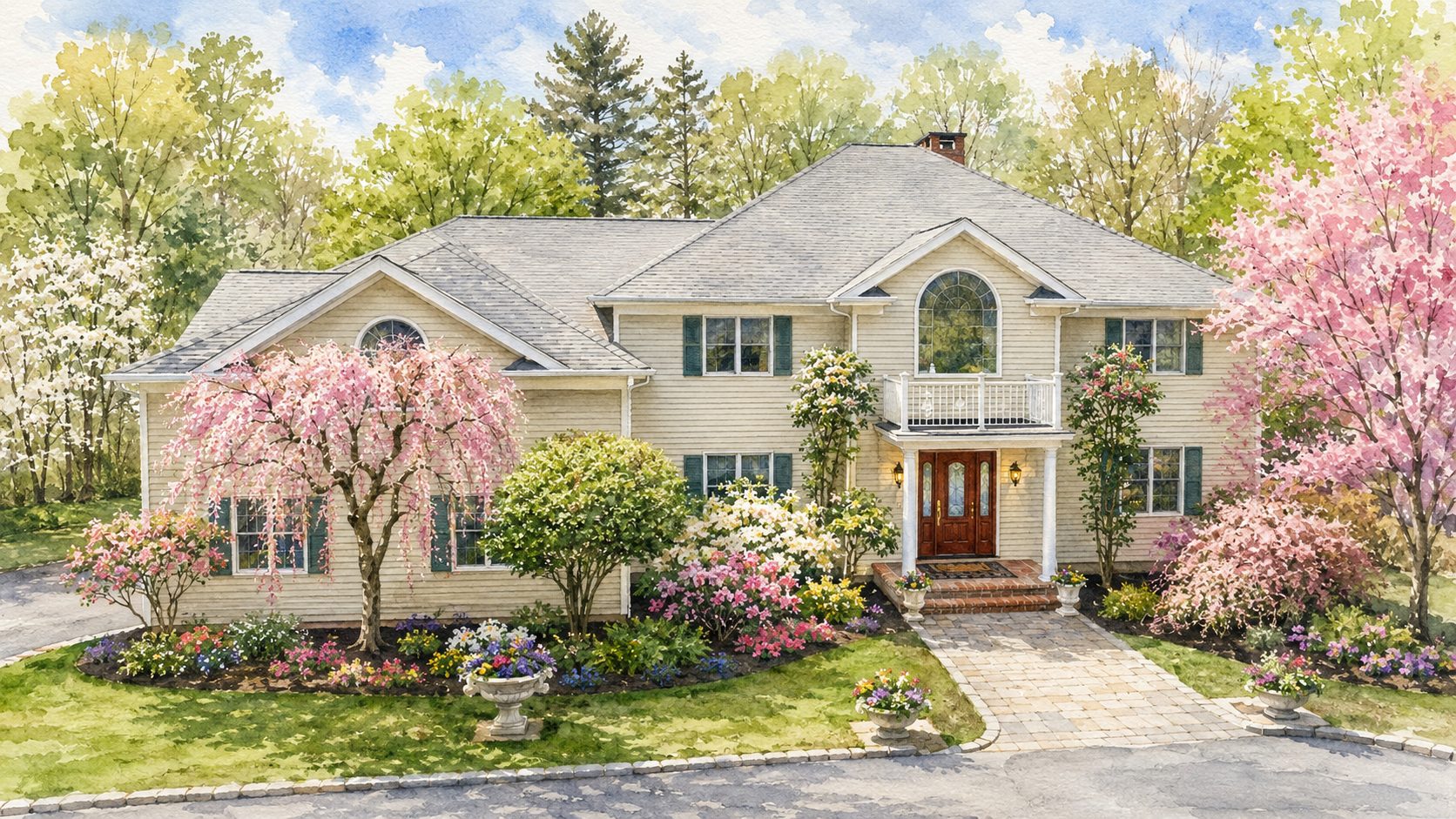
How Do Real Estate Agents Price Homes?
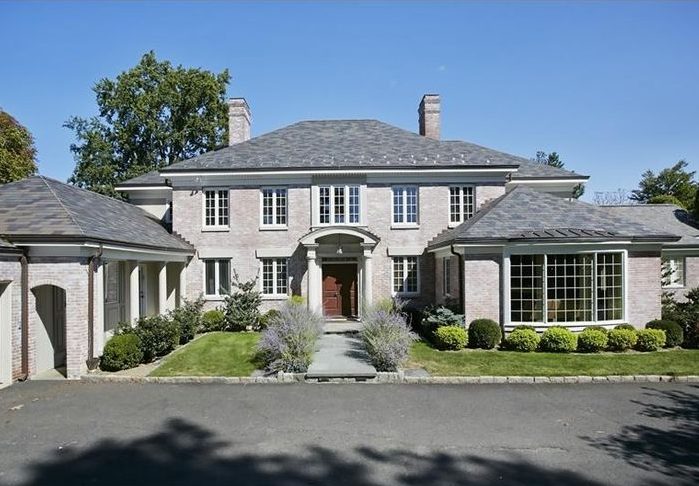
“Whether you need extra room for a home office or nursery, or a smaller home that requires less upkeep and cost, I’ll bring you to the place that’s tailor-made just for you.
Servicing Westchester County, New York & Fairfield County, Connecticut.
Contact me today to get started. (914) 584-2211.”
White Plains Local Real Estate. Scarsdale Real Estate. New Rochelle Real Estate. Rye Real Estate. Rye Brook Real Estate. Larchmont Real Estate. Harrison Real Estate. Purchase Real Estate. Edgemont Real Estate. Tarrytown Real Estate. Armonk Real Estate. Greenwich Real Estate. Old Greenwich Real Estate. Stamford Real Estate. Darien Real Estate. Local Realtor. Get Organized. Selling Home. Westchester County, New York. Fairfield County, Connecticut. Selling your home. Downsizing.
Welcome to this elegant residence nestled on the serene grounds of Knollwood Country Club
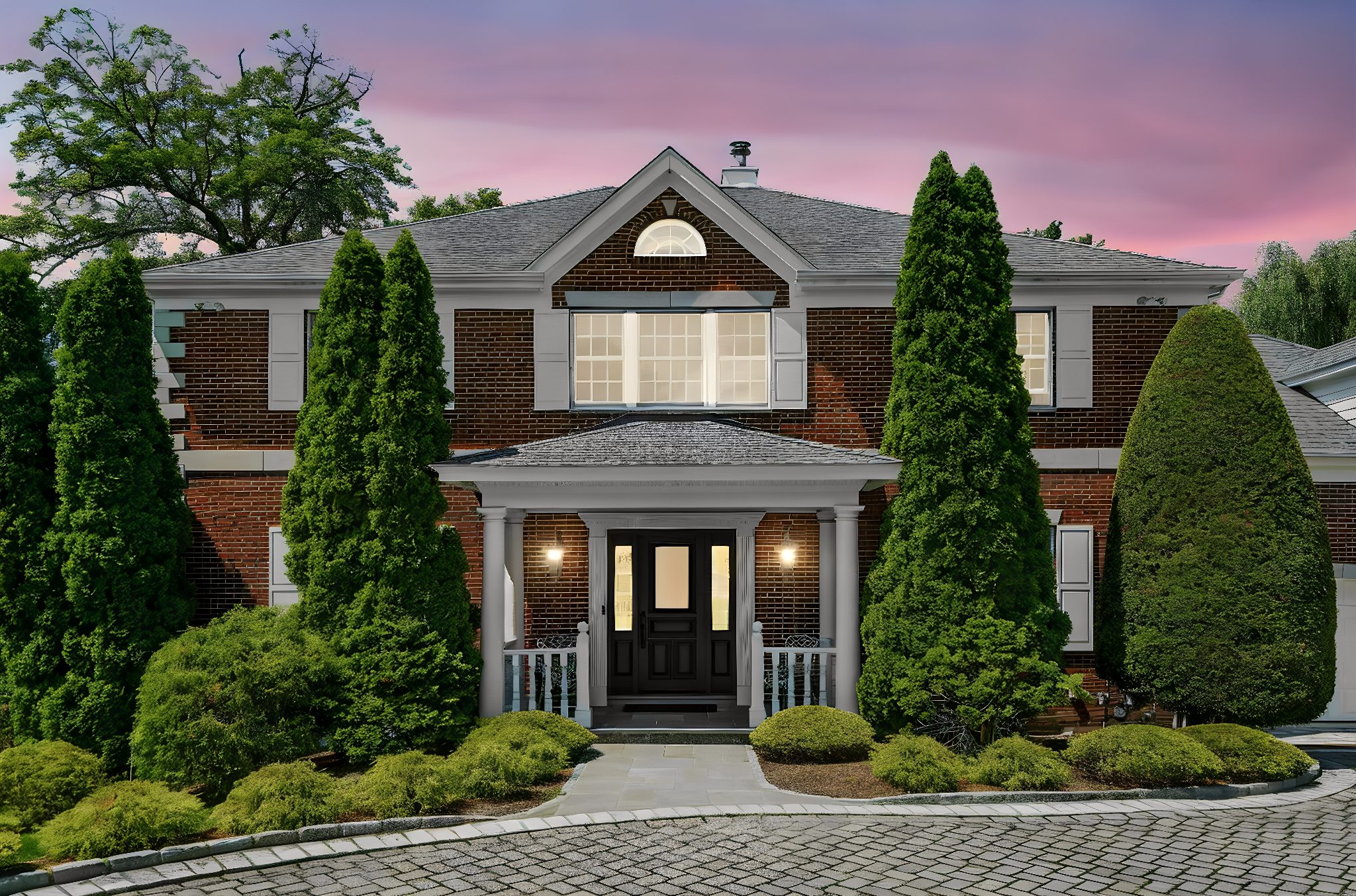
Welcome to this elegant residence nestled on the serene grounds of Knollwood Country Club, offering a rare combination of luxury, privacy, and convenience within Valhalla School District. Set on a quiet, tree-lined street with sweeping views of the golf course, this stately brick colonial home impresses from the moment you arrive.
A gracious U-shaped driveway provides a grand first impression and easy access for guests, while the beautifully landscaped grounds create a tranquil retreat ideal for both entertaining and everyday living. Inside, the home exudes timeless sophistication with spacious formal rooms, high ceilings, and abundant natural light throughout. You walk into a 2 story foyer flowing into the gourmet kitchen with SubZero Fridge and an adjoining family room with fireplace flow effortlessly to the expansive tiered deck with hot-tub and retractable awnings, creating the perfect setting for indoor-outdoor entertaining. Whether hosting a summer gathering or enjoying a peaceful morning coffee overlooking the fairways, every detail has been thoughtfully designed to enhance comfort and style.
Upstairs, the luxurious primary suite serves as a private sanctuary with a spa-like bath and generous closet space. Primary bedroom even features an attached bonus room good for an office or nursery. Washer and Dryer on bedroom level off Primary Bedroom add to this homes convenience and thoughtful design. Additional 3 bedrooms, one with ensuite and the other 2 with a Jack&Jill style bathroom. Every space reflects refined craftsmanship and an inviting warmth that makes this home truly special.
The finished walk-out terrace lower level, adds even more to love about this exceptional home. Designed for both functionality and entertainment, it features a full bath with a stand-up shower, a custom bar complete with a cigar bar ventilation system, refrigerator, wine fridge, and dishwasher, plus a dedicated storage room and four oversized storage closets. A cozy fireplace anchors the expansive entertainment room, offering the perfect space for gatherings, movie nights, or game days. A separate bonus area provides flexibility for a home gym, office, or hobby space, depending on your needs.
Outside, beneath the deck, you’ll find a large covered storage area, ideal for keeping a golf cart, patio furniture, or garden equipment safely tucked away year-round. The home is further enhanced by a 20 kW generator for peace of mind. Combining the sophistication of country club living with the practicality of a commuter-friendly location, 33 Hevelyne Road is just minutes from major highways, Metro-North, and Westchester’s best shopping and dining. With its prime location, golf course views, expansive yard, and Valhalla schools, this home represents the very best of Westchester luxury living.
How to Find and Hire the Right Real Estate Agent
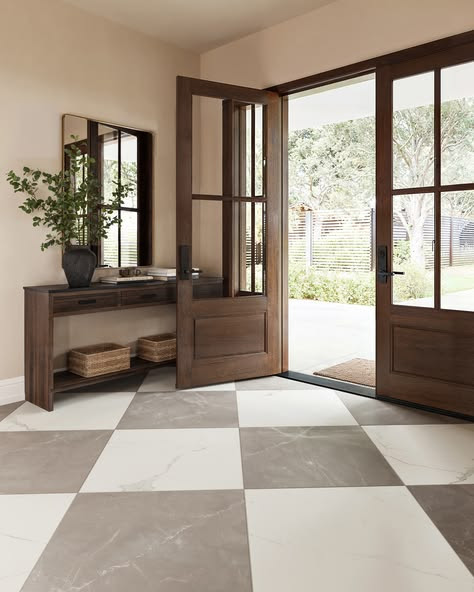
A Step-by-Step Guide for Home Buyers and Sellers
Whether you’re buying your first home, selling a family property, downsizing, or relocating, choosing the right real estate agent is one of the most important decisions you’ll make. The agent you hire can significantly impact your experience, the amount of money you make or save, and how smoothly your transaction progresses.
In today’s competitive real estate market in Westchester County, NY and Fairfield County, CT, working with a knowledgeable, experienced Realtor can make all the difference.
Why Choosing the Right Real Estate Agent Matters
A great real estate agent does much more than place a sign in your yard or schedule showings. The right agent serves as your advisor, advocate, marketer, negotiator, and project manager throughout the entire process.
Whether you’re selling a home in White Plains, Rye, Scarsdale, Harrison, Mamaroneck, Greenwich, Stamford, Darien, New Canaan, or anywhere throughout Westchester County and Fairfield County, you deserve a professional who will protect your interests every step of the way.
Step 1: Research Local Market Experience
Real estate is local. An agent who understands the nuances of neighborhoods, school districts, market trends, pricing strategies, and buyer behavior in your specific community can provide valuable insights.
Look for an agent who:
- Has experience in your local market
- Understands current inventory levels and pricing trends
- Has a strong network of local professionals
- Can provide recent sales data and market analysis
An experienced local Realtor can help you price your home correctly, identify opportunities, and avoid costly mistakes.
Step 2: Read Reviews and Ask for Referrals
Online reviews can provide valuable insight into an agent’s communication style, professionalism, and results.
Ask friends, family members, neighbors, attorneys, financial advisors, senior care professionals, or other trusted contacts for referrals.
Pay attention to comments regarding:
- Responsiveness
- Communication
- Negotiation skills
- Problem-solving abilities
- Attention to detail
- Overall client experience
Consistent positive feedback is often a strong indicator of an agent’s commitment to client satisfaction.
Step 3: Interview Multiple Agents
Meeting with multiple agents allows you to compare experience, strategies, and personalities.
Remember, you’re hiring someone to represent one of your largest financial assets. Take time to evaluate your options carefully.
A qualified Realtor should be able to clearly explain:
- Current market conditions
- Pricing strategy
- Marketing plans
- Negotiation approach
- Communication expectations
- Timeline projections
Step 4: Evaluate Their Marketing Strategy
If you’re selling a home, ask detailed questions about how the property will be marketed.
Today’s buyers begin their search online, making professional marketing critical.
A comprehensive marketing plan should include:
- Professional photography
- Digital marketing
- Social media exposure
- Multiple Listing Service (MLS) placement
- Open houses when appropriate
- Agent-to-agent networking
- Targeted outreach to qualified buyers
Effective marketing can help generate more interest, stronger offers, and a faster sale.
Step 5: Assess Their Communication Style
One of the most common complaints consumers have about real estate agents is lack of communication.
Ask prospective agents:
- How often will you provide updates?
- What’s the best way to reach you?
- How quickly do you respond to calls, texts, and emails?
- Will I work directly with you or a team member?
Clear communication helps reduce stress and keeps transactions moving forward efficiently.
What Questions Should You Ask Before Hiring a Realtor?
Before making your final decision, consider asking these important questions.
1. How Long Have You Been Working in Real Estate?
Experience often translates into stronger problem-solving abilities and market knowledge.
2. How Many Homes Have You Sold Recently?
Recent activity demonstrates that an agent is actively working in today’s market.
3. What Is Your Experience in My Neighborhood?
Local expertise can help determine accurate pricing and effective marketing strategies.
4. How Will You Market My Home?
Ask for specifics. Generic answers may indicate a lack of a comprehensive plan.
5. What Makes You Different From Other Agents?
This question often reveals an agent’s strengths, values, and approach to client service.
6. How Do You Handle Multiple Offers?
In competitive markets, negotiation skills become especially important.
7. How Will You Help Me Negotiate the Best Terms?
The highest offer isn’t always the best offer. An experienced negotiator evaluates price, contingencies, financing, closing timelines, and overall strength of the transaction.
8. Can You Provide References?
Speaking with past clients can offer valuable perspective about what it’s like to work with the agent.
9. What Challenges Do You Anticipate?
An honest agent will identify potential obstacles and explain strategies to overcome them.
10. What Are Your Fees and Contract Terms?
Understanding expectations upfront helps avoid misunderstandings later.
A Due Diligence Checklist for Choosing the Right Realtor
Before hiring an agent, confirm that they:
✔ Have strong local market knowledge
✔ Have positive client reviews and references
✔ Communicate clearly and consistently
✔ Demonstrate strong negotiation skills
✔ Provide a detailed marketing strategy
✔ Explain the process thoroughly
✔ Have experience navigating complex transactions
✔ Prioritize your goals and best interests
✔ Respond promptly to questions and concerns
✔ Show professionalism and attention to detail
The Value of Working with an Agent Who Puts Clients First
Every real estate transaction is unique. Whether you’re buying your dream home, selling a longtime family residence, downsizing, relocating, or helping aging parents transition to a new chapter, having the right professional by your side matters.
My approach is built around providing exceptional service, meticulous attention to detail, and strong advocacy for my clients throughout every stage of the transaction. I believe communication, preparation, and negotiation are critical components of a successful real estate experience.
With nearly two decades of experience in real estate-related industries and extensive knowledge of the Westchester County, NY and Fairfield County, CT markets, I work diligently to help clients achieve their goals while protecting their interests. My commitment is to guide clients through the process from beginning to closing, negotiate the strongest possible terms, and ensure no detail is overlooked.
If you’re considering buying or selling a home in Westchester County, NY or Fairfield County, CT, taking the time to select the right Realtor can be one of the most important investments you make in your success.
As your local SRES® (Seniors Real Estate Specialist), I’m here to guide you every step of the way.
Whether it’s planning, selling your home, or finding your next perfect space, I’m ready to help.
Let’s simplify your move together!
Jennifer Martire Baukol for all your real estate needs.
“I am committed to providing the most personable, elite and professional customer service.
My promise to you is to
(1) put your interests first,
(2) help you reach your goals quickly,
(3) treat you as she would like to be treated,
(4) focus on the solution not problems, and
(5) provide you with the highest level of attention and feedback.
Whether you need extra room for a home office or nursery, or a smaller home that requires less upkeep and cost, I’ll bring you to the place that’s tailor-made just for you.
Servicing Westchester County, New York & Fairfield County, Connecticut.
Contact me today to get started. (914) 584-2211.”
White Plains Local Real Estate. Scarsdale Real Estate. New Rochelle Real Estate. Rye Real Estate. Rye Brook Real Estate. Larchmont Real Estate. Harrison Real Estate. Purchase Real Estate. Edgemont Real Estate. Tarrytown Real Estate. Armonk Real Estate. Greenwich Real Estate. Old Greenwich Real Estate. Stamford Real Estate. Darien Real Estate. Local Realtor. Get Organized. Selling Home. Westchester County, New York. Fairfield County, Connecticut. Selling your home. Downsizing.