
 Facebook
 X
X
 Pinterest
 Copy Link
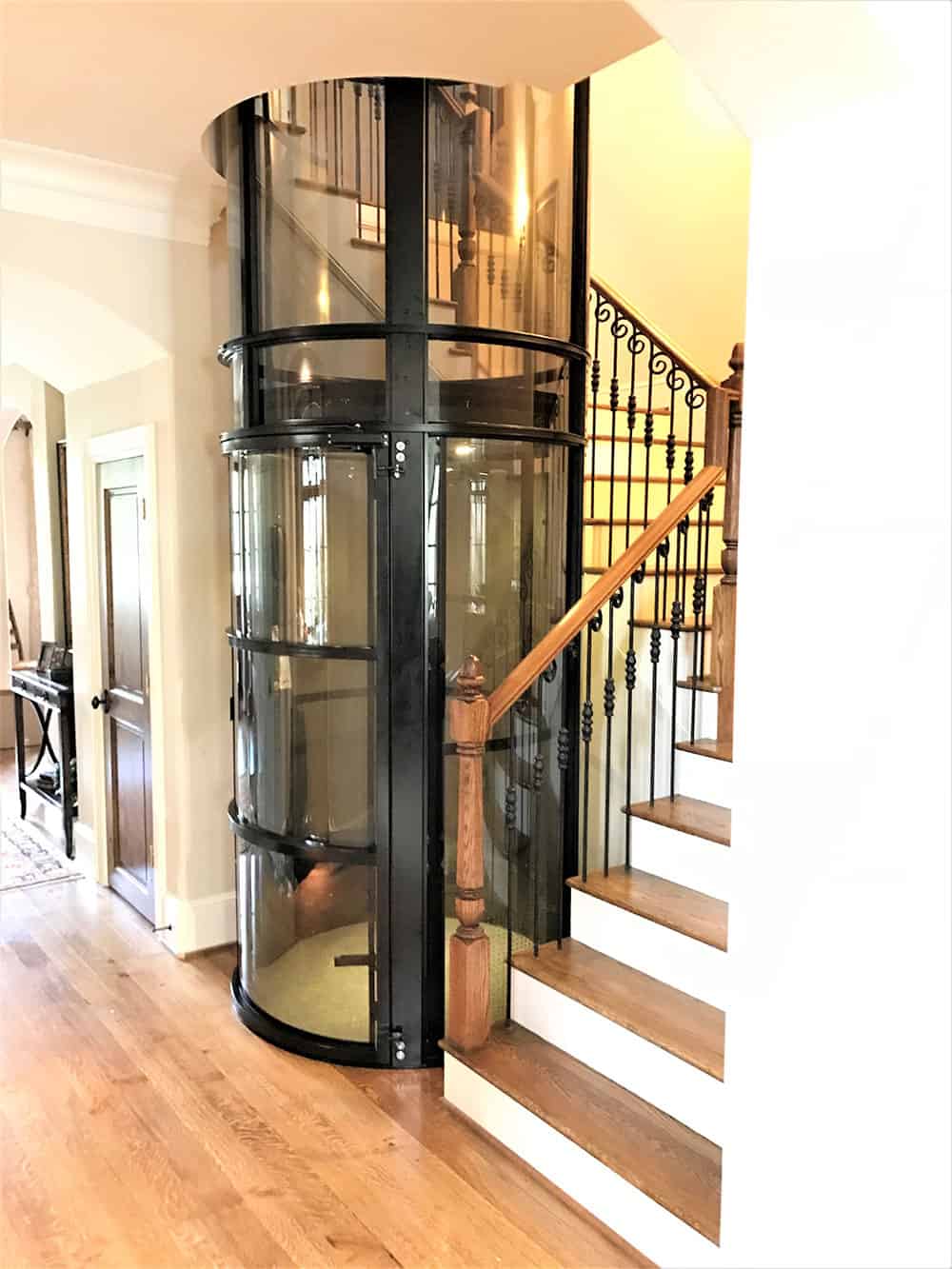
Luxury That Lasts: Elevators and Multigenerational Features Buyers Should Consider
When buyers think about luxury real estate, they often picture spectacular kitchens, resort-style pools, expansive primary suites, wine cellars and beautiful outdoor living spaces.
But today’s definition of luxury is evolving.
For many homeowners, true luxury isn’t simply about how impressive a home looks. It’s about comfort, convenience, privacy, flexibility and the ability for a home to adapt as life changes.
That is particularly important in Westchester County, NY and Fairfield County, CT, where many luxury homeowners are purchasing properties they expect to enjoy for many years, and sometimes for generations.
As a Seniors Real Estate Specialist® (SRES®), I often encourage homeowners to think beyond today’s needs. A home that works beautifully for a family now may need to accommodate aging parents, adult children, changing mobility or multigenerational living in the future.
Two luxury features that increasingly deserve attention are residential elevators and thoughtfully designed multigenerational living spaces.
Residential Elevators: More Than a Luxury Amenity
A private elevator was once considered an extravagant feature reserved for the most prestigious estates.
Today, elevators are increasingly being viewed as a combination of luxury, convenience and long-term functionality.
In a multi-level home, an elevator can make everyday life easier. Carrying groceries from the garage, moving luggage between floors or simply avoiding multiple flights of stairs can be a meaningful convenience.
But the long-term value can be even greater.
As homeowners age, stairs can become a challenge. A home with an elevator can allow residents to continue enjoying multiple levels of their property even if mobility changes.
For someone purchasing a luxury home with the intention of staying for decades, that can be an important consideration.
What Should Buyers Look for in a Home Elevator?
Not every elevator is the same, and buyers should consider:
- Where the elevator is located within the home
- Which floors it services
- Whether it provides access from the garage or lower level
- The size and weight capacity
- Accessibility for mobility devices
- Maintenance requirements
- Backup power considerations
- Local building and safety requirements
- Whether the elevator was professionally installed and properly maintained
For buyers considering a new construction or major renovation, it may also make sense to design the home with a future elevator shaft or dedicated space in mind, even if an elevator isn’t installed immediately.
That type of planning can be much more difficult and expensive to accomplish after a home has already been completed.
First-Floor Living: Luxury With Long-Term Benefits
Another feature I encourage buyers to consider is a first-floor bedroom or primary suite.
At first glance, a main-level bedroom might seem like a simple lifestyle preference. For many luxury buyers, however, it can be an incredibly valuable feature over time.
A first-floor primary suite can provide:
- Easier everyday living
- Greater privacy
- Convenient access to outdoor spaces
- Flexibility for guests
- An alternative to navigating stairs
- More options if mobility needs change
For today’s buyer, it can simply mean convenience.
For tomorrow’s homeowner, it can mean independence.
That is an important distinction when purchasing a home that you hope will serve you for many years.
Multigenerational Living Is Changing Luxury Real Estate
Another trend I am seeing more attention paid to is multigenerational living.
Families today are increasingly looking for homes that can accommodate different generations under one roof while still allowing everyone to maintain some degree of privacy and independence.
In affluent communities throughout Westchester and Fairfield County, that might mean purchasing a larger home specifically because it offers a flexible floor plan.
Features buyers may want to consider include:
A Private Guest or In-Law Suite
A separate bedroom suite with its own bathroom can provide tremendous flexibility.
It may initially function as a guest suite. Later, it could become a comfortable space for an aging parent, an adult child returning home or another family member.
The most desirable configurations may include a private entrance, sitting area, kitchenette or additional living space.
Separate Living Areas
A home doesn’t necessarily need to have a completely separate apartment to support multigenerational living.
Two living rooms, a finished lower level, a private upstairs bedroom suite or a secondary family room can give different generations space to enjoy their own routines.
That privacy can make living together significantly more comfortable.
Multiple Bedrooms on One Level
A home with several bedrooms and a full bathroom on the main level can offer flexibility that isn’t always obvious during a first showing.
Families may not need that configuration today, but circumstances can change.
When evaluating a luxury property, it is worth asking not only:
“Does this home work for us today?”
but also:
“Could this home work for us five, ten or fifteen years from now?”
The SRES® Perspective: Planning for the Home You May Need Later
As an SRES®, I approach real estate with an understanding that housing needs can change dramatically throughout a person’s life.
That doesn’t mean every homeowner should plan their house around aging.
It means buyers should recognize the value of flexibility.
A beautiful home can also be a smart home when its design allows homeowners to adapt without having to move simply because their circumstances have changed.
For older adults, that might mean accessibility.
For families, it could mean accommodating an aging parent.
For younger homeowners, it might mean creating a home where adult children can eventually return.
For everyone, it can mean having options.
And in luxury real estate, options are valuable.
Aging in Place Doesn’t Mean Sacrificing Luxury
There is sometimes a misconception that an “aging-in-place” home needs to look institutional or clinical.
It doesn’t.
Today’s luxury homes can incorporate accessibility and universal design elements in ways that are elegant, discreet and completely consistent with high-end design.
Think:
- Wide, beautiful hallways
- Zero-threshold showers
- Elegant grab bars integrated into the design
- Lever-style door hardware
- Excellent lighting
- Smart-home controls
- First-floor living
- Elevator access
- Comfortable outdoor spaces
- Thoughtfully designed bathrooms
- Easy access between indoor and outdoor living areas
The result can be a home that feels luxurious today and remains functional tomorrow.
What These Features Mean for Resale Value
No single feature guarantees a higher resale price, and buyers should always evaluate a property based on the entire market, location, condition and comparable sales.
However, homes that offer flexibility and thoughtful design can appeal to a broader range of buyers.
An elevator may attract a buyer looking for convenience.
A first-floor bedroom may appeal to someone planning for the future.
A private guest suite may attract a multigenerational family.
A flexible lower level may appeal to someone who wants a home office, gym, guest space or entertainment area.
The beauty is that one feature can serve many different purposes.
Luxury Is About More Than Square Footage
In communities such as Scarsdale, Rye, Purchase, Harrison, Greenwich, Old Greenwich, Darien, New Canaan and other high-value areas of Westchester County and Fairfield County, buyers are often looking for more than a large house with expensive finishes.
They are looking for a property that fits the way they live.
And increasingly, that means thinking about how they may live in the future.
The most thoughtful luxury homes aren’t simply impressive.
They’re adaptable.
They’re comfortable.
They’re private.
They’re designed for real life.
And sometimes, the most valuable luxury feature isn’t the one that makes the biggest impression when you walk through the front door.
It’s the feature that gives you more choices years down the road.
Thinking About Your Next Move?
Whether you’re buying a luxury home, downsizing, helping an aging parent transition, or planning for a multigenerational household, understanding how a home’s design may support your future can be just as important as understanding its current market value.
As a Westchester and Fairfield County real estate professional and Seniors Real Estate Specialist®, I help clients look beyond the immediate transaction and think strategically about the next chapter.
Because a home should do more than meet your needs today.
It should give you the flexibility to live well tomorrow, too.